In an era when foreign influences sought to erode India's cultural foundation, a powerful affirmation of civilizational resilience emerged. The Bhartiya Hindu Shuddhi Sabha, established exactly 103 years ago, stood as a beacon declaring that individuals who had adopted Islam could, through a sacred process of purification, reclaim their place within the Hindu fold. This was not mere proselytization but a heartfelt homecoming — a return to the eternal dharma that has nourished Bharat's soul for millennia. The roots of this movement trace back to the visionary Swami Dayanand Saraswati, the founder of the Arya Samaj in 1875. A profound scholar of the Vedas, Swami Dayanand rejected the notion that one's faith was irrevocably lost upon conversion to another religion. He drew from ancient scriptures to revive the concept of *Shuddhi* — purification through Vedic rituals — asserting that Hinduism, unlike some semitic faiths, imposes no permanent exile for those who stray. The Vedas welcome sincere seekers, and purification ceremonies involving *havan* (sacred fire) and recitation of mantras could restore one's spiritual purity.
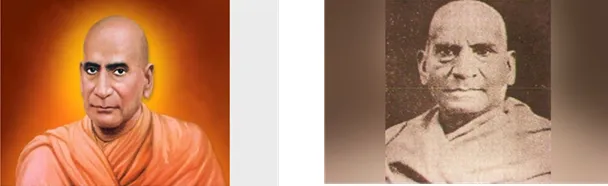
Swami Dayanand's teachings laid the groundwork, but the movement gained unprecedented momentum in the 1920s under the leadership of Swami Shraddhanand. Born Munshiram in 1856 in Punjab, he was a distinguished educationist who established the Gurukul Kangri in Haridwar, blending modern knowledge with Vedic wisdom. A fervent participant in the freedom struggle, he earned the title "Mahatma" for his courage during the anti-Rowlatt Satyagraha agitations. Yet, his most enduring contribution was championing the cause of Hindu unity through reconversion. By the early 20th century, vast sections of Indian society had been detached from their Hindu heritage due to historical circumstances, often involving coercion during centuries of foreign rule. Among them were the Malkana Rajputs of western United Provinces (present-day Uttar Pradesh). Descendants of proud Rajput warriors, the Malkanas had adopted Islam generations earlier, yet retained deep Hindu customs. They bore Hindu names, worshipped deities like Shiva and Durga, celebrated festivals such as Diwali and Holi, and followed traditions like cremation rather than burial. Nominal Muslims in faith, they were Hindus at heart — a living testament to the resilience of Bharat's cultural ethos.
Recognizing this unique opportunity for reunion, Swami Shraddhanand mobilized efforts to bring them back. On February 13, 1923, in Agra, he formally established the Bhartiya Hindu Shuddhi Sabha, electing himself president and the revered Lala Hansraj as vice-president. The Sabha's mission was clear: to facilitate the voluntary purification and reintegration of those separated from the Hindu fold, particularly the Malkanas.
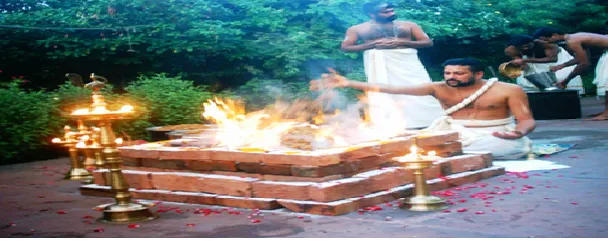
The response was overwhelming. The first major Shuddhi ceremony took place on February 25, 1923, in the village of Raibha, where batches of Malkanas underwent purification rites. Simple yet profound, these ceremonies involved a *havan*, where participants offered oblations into the consecrated fire while chanting Vedic mantras, symbolizing the cleansing of past associations and rebirth into the dharma.
The movement spread rapidly across districts like Agra, Mathura, Aligarh, and Mainpuri. Historical records document remarkable success: within a few years, tens of thousands — with estimates ranging from 30,000 to over 100,000 Malkanas — embraced their ancestral faith. Entire villages participated, strengthening community bonds and reviving pride in India's ancient heritage. These returnees were fully accepted, without stigma or caste barriers, embodying the Vedic principle of universal brotherhood. The Shuddhi Sabha's work extended beyond the Malkanas. It addressed conversions stemming from social inequalities or external pressures, offering a path of dignity and belonging. Swami Shraddhanand toured extensively, addressing massive gatherings and inspiring volunteers. His message resonated deeply: Hinduism is not a closed creed but an inclusive sanatana dharma, rooted in truth, non-violence, and eternal values. Yet, this revival invited fierce opposition. The intense campaign provoked counter-efforts, and tensions escalated. Tragically, on December 23, 1926, Swami Shraddhanand was assassinated in Delhi by a fanatic opposed to his work. The person who assassinated Swami Shraddhanand was Abdul Rashid. The attack was reportedly triggered by the Swami’s involvement in the Shuddhi movement (re-conversion of Muslims and Christians back to Hinduism) and comments he had made regarding Islam. His martyrdom shocked the nation, but it immortalized his legacy. Even Mahatma Gandhi, who had differences on certain approaches, paid glowing tribute, calling him a fearless warrior for Hindu consolidation. The Bhartiya Hindu Shuddhi Sabha's founding marked a turning point in modern Indian history. It proved that cultural assimilation need not be one-way; that the children of Bharat, wherever they may have wandered, could always return home. This was not aggression but affirmation — a declaration that India's civilizational continuity could heal divisions inflicted by history.
Today, over a century later, the Sabha's message holds profound relevance. In a resurgent Bharat, millions feel drawn to their roots, seeking the spiritual depth of Vedic traditions amid modern challenges. The principle that Muslims — or anyone — can become Hindus through sincere purification remains a cornerstone of cultural confidence. It underscores national unity, reminding us that true strength lies in embracing our shared heritage. The Shuddhi movement teaches that dharma transcends temporary labels. It invites voluntary homecoming, fostering harmony and pride in India's timeless identity. As we reflect on February 13, 1923, let us honor Swami Dayanand and Swami Shraddhanand's vision: a united, vibrant Hindu society welcoming its own with open arms.
The flame kindled in Agra over a century ago continues to illuminate the path forward.

Comments
Add new comment