Body
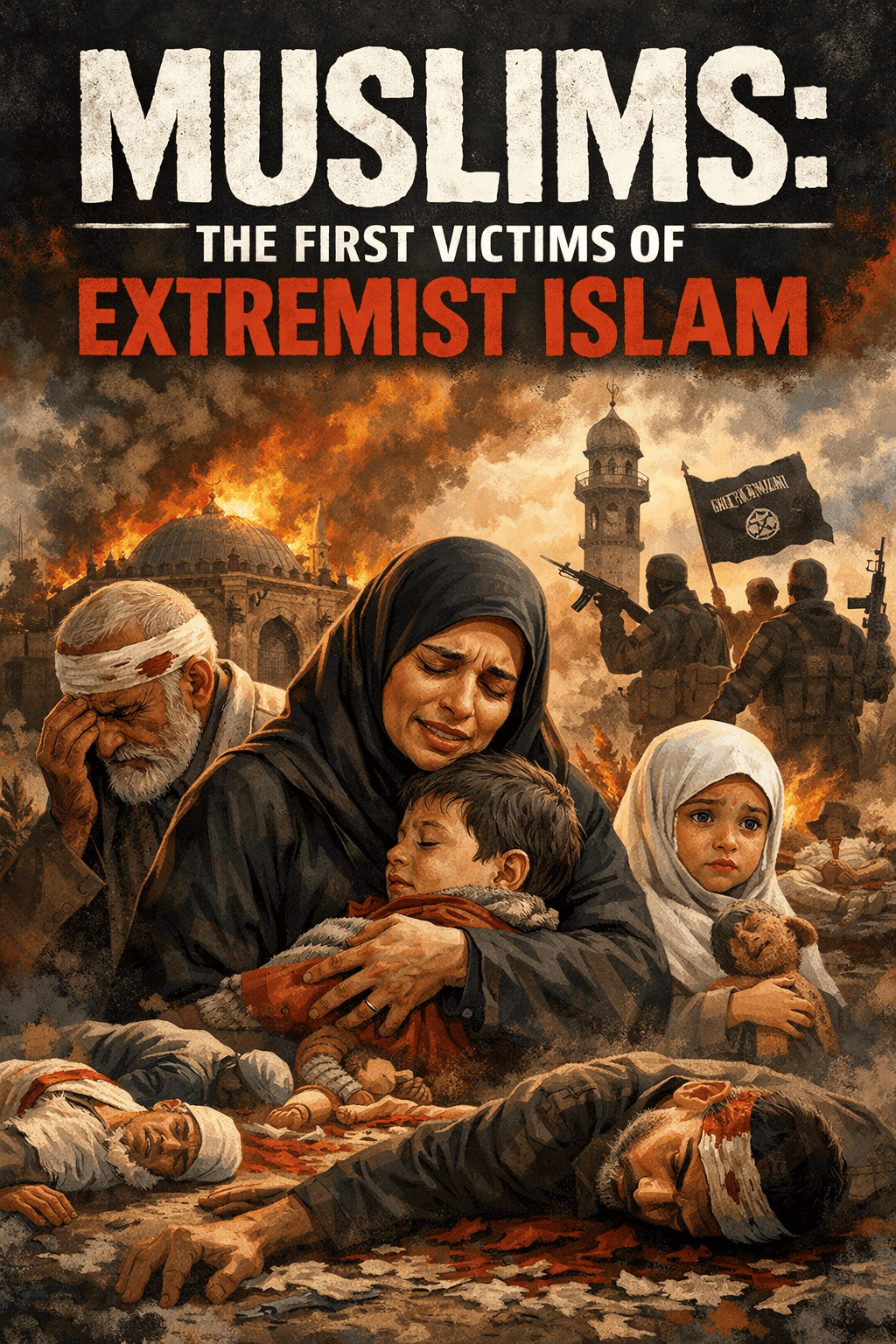
On a crisp winter morning in Peshawar, Pakistan, the air at the Army Public School buzzed with the ordinary rhythms of childhood—recitations of lessons, the shuffle of feet in hallways, the laughter echoing off concrete walls. It was December 16, 2014, and over 1,400 students and staff had gathered for a routine day of learning. Then, chaos erupted. Six gunmen, affiliated with the Tehrik-i-Taliban Pakistan (TTP), stormed the compound. These militants—foreign nationals hailing from Chechnya, Arab countries, and Afghanistan—were armed with rifles, grenades, and a venomous ideology that branded education, especially for girls, as an affront to their twisted vision of faith. They moved methodically through classrooms and assembly halls, firing indiscriminately at children as young as eight and teachers who shielded them with their bodies. The assault lasted hours, leaving behind a tableau of horror: blood-soaked uniforms, shattered blackboards, and the silence of 149 lives extinguished—132 of them schoolchildren aged eight to eighteen.
This was no random act of war; it was a deliberate strike against the future of a Muslim-majority nation. The victims were overwhelmingly Muslim—sons and daughters of Pakistani families, many from military backgrounds, pursuing the very knowledge that Islam's golden age once championed. The TTP claimed responsibility, citing retaliation for Pakistani military operations against their strongholds, but their justification rang hollow: "We are taking revenge for our women and children," they said, even as they slaughtered innocents in cold blood. In the days that followed, Peshawar mourned not just its dead but the innocence forever scarred. Parents clutched bloodied schoolbags; survivors whispered of hiding under desks amid gunfire. The attack, ranked as the world's fourth-deadliest school massacre, galvanized Pakistan, prompting nationwide protests and a temporary military offensive that executed hundreds of militants. Yet, a decade later, the TTP's shadow lingers, a stark reminder that when extremism cloaks itself in Islam's name, Muslims bear the brunt. The Peshawar tragedy is not an aberration but a microcosm of a larger, heartbreaking truth: Muslims are the first and foremost victims of the violent perversions of their own faith. Extremist groups like the TTP, ISIS, Boko Haram, and Al-Shabaab invoke selective interpretations of Sharia to justify carnage against their co-religionists. This article explores this paradox through statistics, case studies, and analysis, underscoring how intra-Muslim violence fueled by sectarianism and power grabs devastates communities from Peshawar to the Sahel. Far from a "clash of civilizations," as some Western narratives suggest, this is a civil war within Islam—one that claims Muslim lives at an alarming rate.
The Numbers Don't Lie: A Global Toll on Muslim Lives
To grasp the scale, consider the data: between 1979 and April 2024, Islamist terrorist attacks worldwide numbered 66,872, claiming at least 249,941 lives. Of these deaths, a staggering 88.9%—over 222,000—occurred in Muslim-majority countries, where the perpetrators and victims shared the same sacred texts but diverged in their deadly schisms. The Middle East and North Africa (MENA), South Asia, and Sub-Saharan Africa—regions with predominantly Muslim populations—accounted for 96.7% of all such attacks and 88.9% of fatalities.
The 2025 Global Terrorism Index (GTI) paints an even grimmer picture for recent years. In 2024 alone, terrorism killed 7,555 people globally, with 98% of deaths in conflict zones—many in Muslim heartlands. The Sahel region, spanning Burkina Faso, Mali, and Niger (all Muslim-majority), bore 51% of these fatalities: 3,885 souls lost to jihadist blades and bombs. Burkina Faso topped the GTI rankings with 1,532 deaths, followed by Pakistan (1,303) and Syria (744), all driven by Islamist groups like Islamic State (IS) affiliates and Tehrik-e-Taliban Pakistan. IS and its offshoots, the deadliest perpetrators, caused 1,805 deaths across 22 countries, nearly all in Muslim territories.
A 2011 U.S. National Counter-Terrorism Center report estimated that 82-97% of terrorism fatalities in the preceding five years were Muslims, a figure echoed in the Global Terrorism Database (GTD). From 2004-2013, 60% of all terrorism deaths happened in Iraq, Afghanistan, and Pakistan—nations where Muslims comprise over 95% of the population. The Center for Strategic and International Studies (CSIS) reinforces this: between 2011-2016, 85% of 70,767 global terrorist incidents occurred in largely Islamic states, with 90% of 2016's deaths in such countries. In these assaults, Muslims kill fellow Muslims—often in mosques, markets, and schools—over accusations of apostasy or insufficient piety.
This intra-faith slaughter isn't abstract; it's arithmetic. The Taliban alone racked up 71,965 deaths since 1979; Boko Haram, 26,081. In 2014, when Peshawar bled, global terrorism deaths hit 32,658, with seven of the ten worst-affected countries Muslim-majority. By contrast, Western victims—while tragic and over-publicized—number in the hundreds annually. The disparity demands recognition: extremism's primary export is suffering to the ummah, the global Muslim community.
Case Studies: Echoes of Peshawar Across the Muslim World
Peshawar's wounds run deep, but they mirror atrocities elsewhere. In Nigeria, Boko Haram ("Western education is forbidden") has waged a decade-long insurgency, killing over 35,000—mostly Muslims in the northeast. The 2015 Baga massacre exemplifies their brutality: on January 3-7, militants razed the fishing town, slaughtering 200-2,000 civilians, including women and children, in homes and mosques. Earlier, in February 2014, they stormed a boarding school in Yobe, gunning down 50 male students for "collaborating" with the secular state. By 2024, Boko Haram and its IS splinter caused 175 deaths in Nigeria alone, targeting markets and villages where Muslims eke out livelihoods. Their caliphate dream has displaced 2.5 million, turning fertile lands into ghost towns haunted by widows and orphans.
Across the border in Iraq, ISIS's reign of terror (2014-2017) was a sectarian apocalypse for Shia Muslims, whom they deemed heretics worthy of extermination. In June 2014, as Mosul fell, ISIS executed 1,700 Shia recruits at Camp Speicher, dumping bodies in the Tigris. Baghdad's streets became killing fields: on July 18, 2015, suicide bombers struck a Shia market, killing 116; another blast at a Baghdad mall in January 2021 claimed 32 lives, mostly Shia shoppers. The group's "genocide" against Shias, as documented by Human Rights Watch, involved abductions, beheadings, and mass graves—thousands of Muslims vanished for praying differently. Even in defeat, ISIS lingers: in 2024, they killed 708 in Syria, targeting Alawite (Shia-linked) enclaves.
Afghanistan offers another grim ledger. The Taliban, post-2021 resurgence, have escalated civilian attacks, bombing mosques and bazaars. On October 14, 2017, twin blasts at Shia mosques in Kabul and Ghor killed 65 worshippers during Ashura prayers. In Kunduz, 1998, Taliban fighters massacred over 2,000 Hazara Shia civilians in a cinema and homes, decrying them as infidels. By 2024, TTP (Taliban allies) caused 558 deaths in Pakistan, spilling over into Afghan markets where families haggle over naan and rugs. In Somalia, Al-Shabaab's 387 killings in 2024 included a June mosque bombing in Mogadishu that felled 37 Sufi Muslims—deemed "deviant" by the group's Salafi enforcers.
These vignettes—Peshawar's classrooms, Baga's villages, Mosul's riversides—reveal a pattern: extremists police piety with bullets, turning sacred spaces into slaughterhouses.
The Roots of Intra-Muslim Carnage
Why do Muslims suffer most at the hands of those claiming to defend Islam? The answer lies in takfir (declaring fellow Muslims apostates) and sectarian fissures. Sunni extremists like ISIS and TTP view Shias, Sufis, and "secular" Sunnis as traitors to the faith, justifying their annihilation. Political grievances—colonial legacies, corrupt regimes, foreign interventions—masquerade as religious crusades, exploiting poverty and illiteracy to recruit cannon fodder.
In Pakistan, TTP's Peshawar strike avenged drone strikes but targeted children to sow fear among a Muslim populace seen as complicit with the "infidel" state. Boko Haram's educational bans echo this: knowledge threatens their monopoly on truth. ISIS's anti-Shia pogroms stem from 7th-century schisms, amplified by modern Wahhabism funded by petrodollars. Governance failures exacerbate it; in the Sahel, jihadists fill vacuums left by juntas, taxing nomads while bombing their herds.
Yet, this isn't Islam's fault—it's extremism's distortion. The Quran's "no compulsion in religion" (2:256) condemns such violence, as affirmed by scholars like Egypt's Grand Mufti.
Muslim Resilience: Voices and Victories Against the Tide
Amid the grief, Muslim agency shines. Post-Peshawar, Pakistan's National Action Plan dismantled madrasas breeding hate, reducing attacks by 70% initially. In Nigeria, Muslim-led vigilantes hunt Boko Haram; Iraq's Shia militias crushed ISIS caliphate. Voices like Malala Yousafzai, shot by Taliban for advocating girls' education, amplify reform: "One child, one teacher, one book, one pen can change the world." Global fatwas, like the 2005 Amman Message signed by 500 scholars, denounce takfir. Muslim states invest billions in counter-radicalization, from deradicalization centers in Saudi Arabia to community policing in Indonesia. The GTI notes declines in deaths where states prioritize inclusive governance. Still, challenges persist: online radicalization, refugee flows, and geopolitical meddling fuel cycles.
A Call to Acknowledge and Act
The Peshawar massacre's echoes—screams in school corridors, widows' wails in Baghdad—beseech the world: recognize Muslims as extremism's prime casualties. This isn't Islamophobia's fodder but a humanitarian imperative. By amplifying Muslim reformers, bolstering education, and addressing root inequities, we can starve the beast of its recruits. As the ummah heals its fractures, the true jihad—struggle for justice—reclaims Islam's light from terror's shadow. In remembering Peshawar's children, we honor all victims, forging a future where faith unites, not divides.


Comments
Add new comment