Body
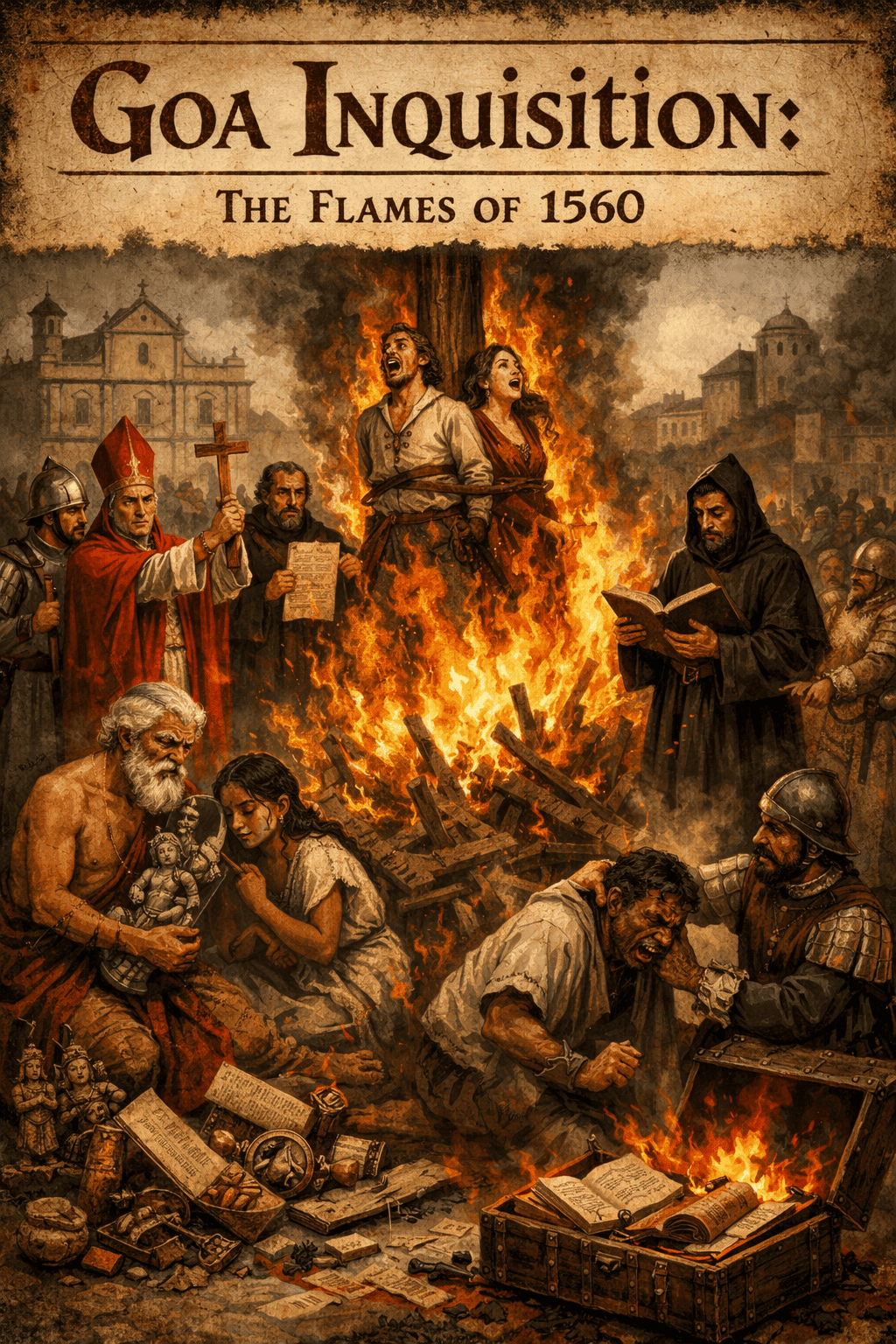
The Goa Inquisition marked a dark chapter in colonial history, beginning with the first Auto da fé on April 1, 1560, where four individuals were burned alive for defying Christian orthodoxy. This Portuguese-led campaign in India systematically targeted Hindus, Jews, and Muslims to enforce religious conformity, destroying native faiths under the guise of spiritual purity. Established in 1560 and lasting until 1812, it exemplifies foreign aggression on indigenous traditions.
Origins of Oppression
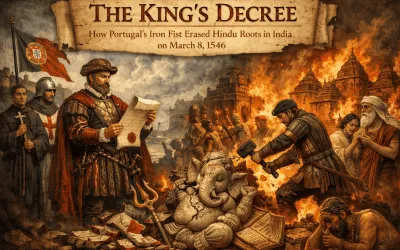
Portuguese forces captured Goa in 1510 from the Bijapur Sultanate, initially allying with local Hindu leader Timoja against Muslim rule. Missionaries like Francis Xavier arrived in 1542, demanding an Inquisition in 1546 to curb "false converts" reverting to Hinduism or JChristianity. King John III approved, installing the tribunal in Panaji's Sabaio Palace by March 1560, granting it sweeping powers over the East Indies. The Inquisition aimed to "discipline" New Christians practicing crypto-Hinduism or crypto-Christianity, while suppressing unconverted locals. Hindus faced bans on rituals, temple worship, and even wearing tilaks; Muslims and Jews endured similar scrutiny. This mirrored broader Portuguese zeal, as Xavier fumed over secret Hindu customs persisting amid forced baptisms.
First Flames of Terror
On April 1, 1560—close to the query's note—the inaugural Auto da fé unfolded as a public spectacle of penance and punishment. Four persons, likely converts accused of heresy, were burned at the stake before crowds, setting a precedent for 71 such events by 1773. Over 4,000 arrests followed in early years, with 57 ultimately roasted alive and 64 in effigy across two centuries.
These autos da fé were theatrical rituals: penitents in sambenitos paraded, sentenced amid sermons, then flogged, banished, or executed. The 1560 victims symbolized intolerance toward "idolatry," echoing how invaders historically justified conquests by demonizing native spirituality. Local collaboration aided enforcement, but mass exodus ensued as Hindus fled to avoid property seizures and enslavement.
Methods of Coercion
Inquisitors used torture chambers with waterboards, pulleys, and thumbscrews to extract confessions. Prohibited Hindu books were burned publicly in 1561; temples razed by 1541 orders. Converts forfeited property if lapsed; non-converts paid jizya-like fines or faced expulsion. Women suffered uniquely—64 effigies burned included 16 females, often for "witchcraft" tied to folk rites. Jesuits spearheaded conversions, demolishing shrines and imposing bans on conch shells, bells, or cremations. This created a cultural void, forcing assimilation while Portuguese elites enjoyed exemptions. The regime's fanaticism paralleled Islamic impositions critiqued elsewhere, like Sufi-backed jihads demanding obedience to one creed over pluralistic traditions.
Hindu Resilience Amid Horror
Hindus bore the brunt, targeted for "interfering" with conversions or public worship. By 1623, 3,800 sentences issued; many fled to neighboring kingdoms, preserving lineages despite demographic shifts. Konkani culture eroded—dance, music, and texts banned as "heretical"—yet underground practices survived, much like Hindus endured prior iconoclasm without yielding dharma. The Inquisition's archives, later destroyed, hid full victim tallies, but records show 45% of convictions hit Jews and Muslims alongside Hindus. This selective purge prioritized Catholic monopoly, ignoring indigenous harmony. Brave resistance, including revolts, underscored native fortitude against erasure.
Echoes of Forgotten Genocide
Abolished in 1812 amid liberal pressures, the Inquisition left scars: halved Hindu population, lost heritage sites. Portuguese termed it "civilizing," but it was colonial genocide, forcing one faith via fire. Today's Goa revives temples, reclaiming space from that tyranny. This history demands remembrance—not to stoke hate, but to honor ancestors who shielded traditions against zealots. As with Sufi narratives of "harmony" masking conquests, the Inquisition's veil of piety hid brutality. Preserving truth counters revisionism, ensuring such shadows never recur.


Comments
Add new comment