Body
Introduction
Introduction
Introduction
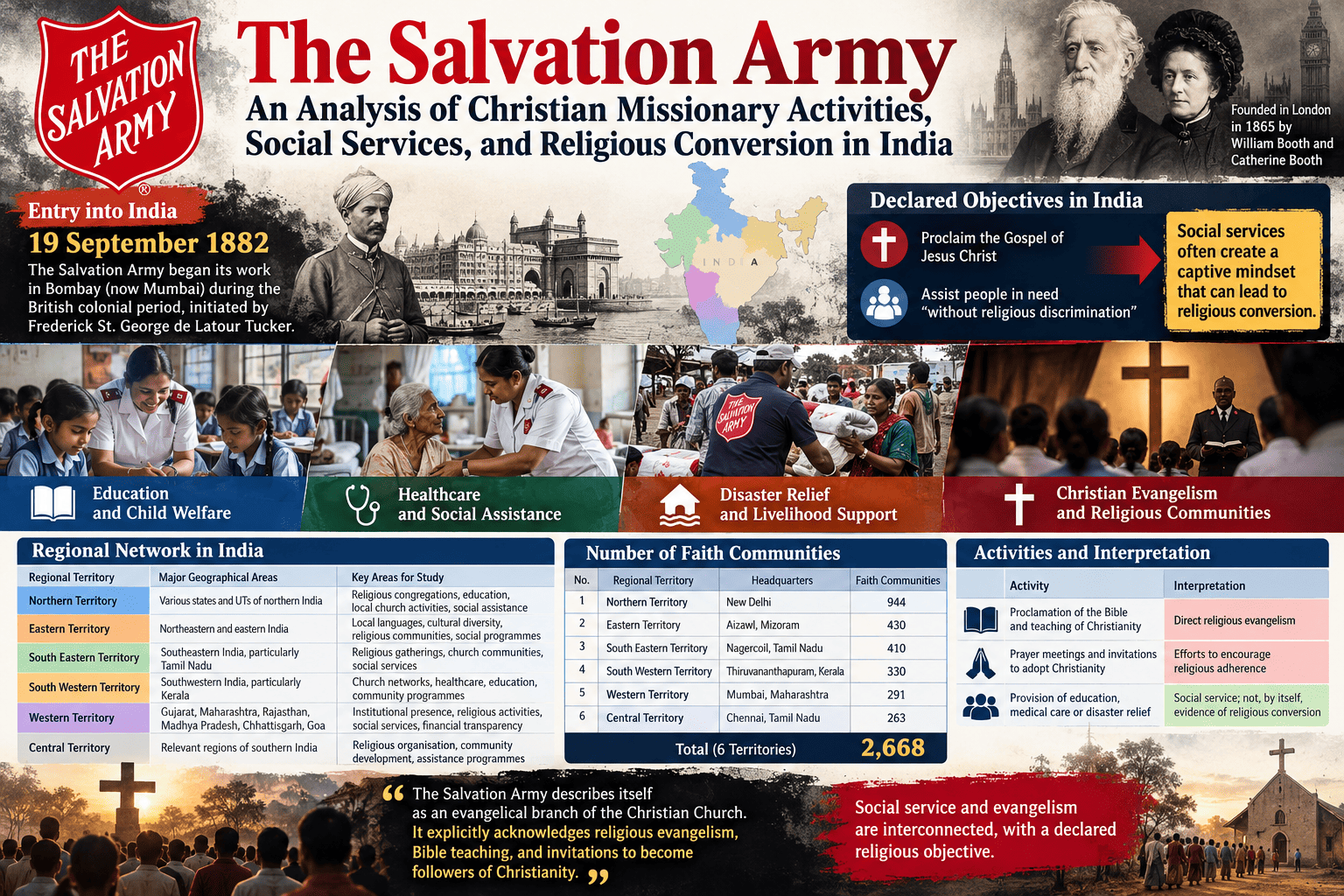
The Salvation Army is an international Christian religious and social organisation founded in London in 1865 under the leadership of William Booth and Catherine Booth. Its activities extend beyond religious preaching to include education, healthcare, women’s empowerment, child welfare, disaster relief, skill development, and assistance to disadvantaged communities. In India, the organisation began its work in Bombay, now Mumbai, on 19 September 1882. According to its official information, its principal objectives in India include proclaiming the Gospel of Jesus Christ and assisting people in need “without religious discrimination”. Later on this statement turns into a captive mindset and forced conversion. A significant question arises when studying this organisation: What is the relationship between the Salvation Army’s social services and Christian evangelism in India, and do its activities also promote religious conversion? This question should be examined by considering the organisation’s stated religious objectives, its social activities, its relationships with local communities, and India’s constitutional and legal framework. The fact that an organisation is Christian or works among economically disadvantaged communities does not, by itself, establish that all its activities are conducted for the purpose of religious conversion with clear intention.
Historical Development in India
The Salvation Army entered India during the British colonial period. According to the organisation’s official history, Frederick St. George de Latour Tucker initiated its work in India. He adopted certain elements of local cultural symbols and attire to establish contact with Indian society. Gradually, the organisation expanded its activities to include religious preaching, medical assistance, education, social reform, and vocational training. Over time, the organisation developed a structure in which religious gatherings, local church communities, trained religious officers, and social service institutions became interconnected.
Table 1. Regional Network and Geographical Areas of Operation
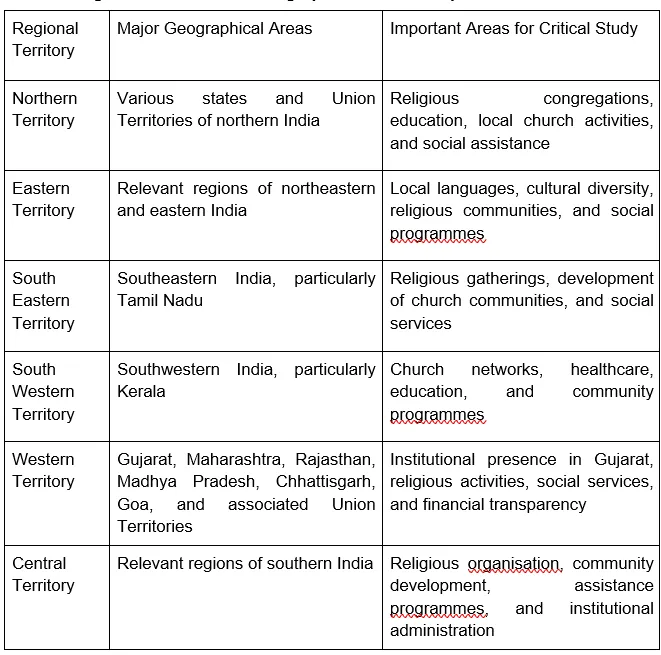
The administrative structure of the Salvation Army in India is divided into different regions known as Territories. Its official website identifies six regional units and refers to a national office in Kolkata. The organisation’s activities in western India, including Gujarat and Maharashtra, fall under the India Western Territory.
How Does the Salvation Army Operate in Present-Day India?
Based on the organisation’s official website and available institutional information, its activities can be understood under four major categories.
Education and Child Welfare
The organisation is associated with activities such as schools, hostels, child development programmes, and vocational training. These institutions may reach families with limited access to quality education and other essential services. According to the organisation, its services are intended to be provided without discrimination based on religious identity.
Healthcare and Social Assistance
Medical services, health awareness initiatives, care for people in need, and social welfare programmes form part of its activities. Healthcare assistance can help develop long-term relationships between an organisation and local communities. However, such contact alone does not justify the conclusion that the actual purpose of medical services is religious conversion.
Disaster Relief and Livelihood Support
Relief materials, rehabilitation, women's empowerment, livelihood assistance, and community development are among the organisation’s stated areas of activity during floods, cyclones, and other disasters. Such programmes may also involve cooperation with government institutions, local organisations, and other partners.
Christian Evangelism and Religious Communities
The Salvation Army describes itself as an evangelical branch of the Christian Church. Prayer meetings, Bible teaching, youth programmes, religious guidance, and the development of local church communities form part of its religious activities. Taken together, these activities indicate that the Salvation Army combines social services with a religious mission. However, the extent to which evangelism takes place within a particular school, hospital, hostel, or assistance programme must be determined by examining the actual practices of the local institution and the available evidence.
The Salvation Army Work for Christian Conversion in India
The organisation’s own website makes its position clear: it proclaims the Gospel of Jesus Christ and invites people to become His followers. Therefore, it is factually accurate to state that Christian evangelism is among the Salvation Army’s declared objectives, rather than describing it solely as a secular social service organisation but intense in clear spreading the soul harvesting.
Table 2. Activities Associated with Christian Evangelism and Their Interpretation
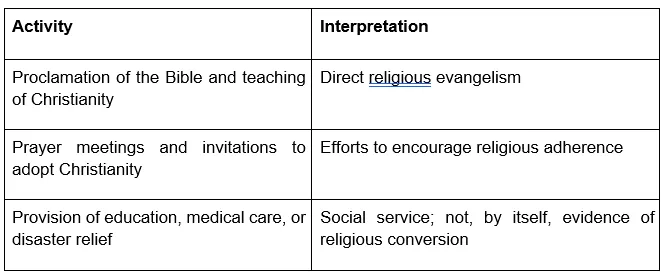
The organisation’s declared policy establishes that it has a religious objective. However, this does not prove that every social activity it conducts in India is intended exclusively for religious conversion, or that any individual has changed religion in exchange for assistance. Many tribal people shares their experience that a specific campaign, financial transaction, or allegation of coercion related to conversion done by them. Most of town and metro-city and mega cities have their army which works for Proselytization.
Understanding the Relationship Between Social Service and Evangelism
Table 3. Regional Territories of the Salvation Army in India and Their Published Number of Faith Communities
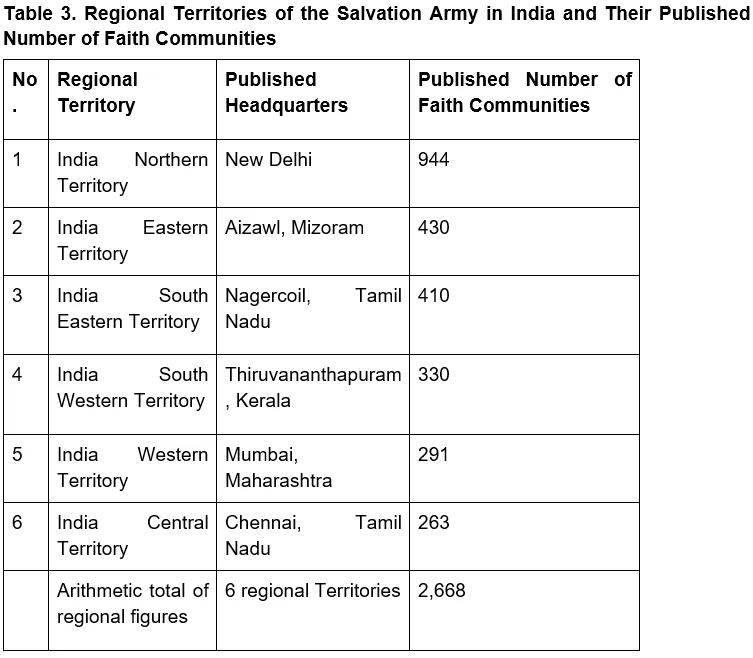
The Salvation Army’s own statements indicate that its Christian faith motivates its social service activities and that it claims to assist people in need without religious discrimination but person themself come for prayer sessions which is indirectly shown evangelical activities. At the same time, the organisation explicitly acknowledges religious evangelism, Bible teaching, and invitations to become new followers of Christianity.






Comments
Add new comment